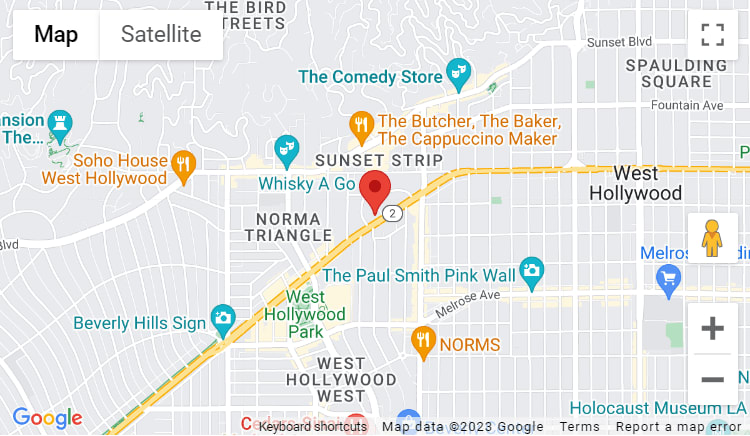
Living near Georgia Tech is becoming an increasingly interesting option for students, faculty, professionals, families, and Atlanta newcomers. In July 2026, Georgia Tech received a five-star rating from Money magazine, placing it among just 17 public universities nationwide to earn the designation and making it the only institution in Georgia to receive five stars.
But there is more to this story than a college ranking. When a nationally recognized university sits in the heart of a major city, the surrounding neighborhoods become part of the experience. For anyone considering a move to Atlanta, that makes Georgia Tech's surrounding real estate worth a closer look.
From historic homes in Home Park to high-rise living in Midtown and loft-style options in West Midtown, there are several ways to live near Georgia Tech. The right choice depends on your lifestyle, budget, commute, and long-term goals.
Georgia Tech received its five-star ranking from Money magazine because of its strong combination of educational outcomes, affordability, financial aid, student debt, and alumni earnings.
For its 2026 rankings, Money evaluated more than 700 four-year colleges using 25 different metrics. Georgia Tech was one of only 17 public schools to receive five stars and the only Georgia institution to earn that distinction.
The recognition adds another layer to Georgia Tech's already strong national reputation. For Atlanta residents and people considering a move to the city, it is also a reminder of the unique role Georgia Tech plays in the surrounding community.
The bigger takeaway: Georgia Tech is not simply a university located in Atlanta. It is part of an urban environment surrounded by established neighborhoods, businesses, entertainment, transportation, and a wide range of housing.
Georgia Tech's location gives residents access to both an urban lifestyle and established Atlanta neighborhoods.
The campus sits close to Midtown, Home Park, West Midtown, Centennial Olympic Park, and other central Atlanta destinations. Georgia Tech describes the surrounding community as a mix of high-rise condominiums, single-family homes, commercial districts, retail centers, and entertainment areas.
That combination creates options for very different types of residents.
You might want a walkable condo close to restaurants and MARTA. Someone else might prefer a traditional Atlanta house with more space. Another buyer may want newer construction, modern amenities, and easy access to West Midtown.
That is why searching for a home near Georgia Tech should start with how you want to live, not simply how close you want to be to campus.
The four primary neighborhoods surrounding Georgia Tech are Midtown, West Midtown, Home Park, and Centennial Olympic.
Each offers a different living experience.
Midtown is ideal for people who enjoy an energetic urban environment, high-rise condos, apartments, restaurants, cultural attractions, green space, and public transportation.
Home Park offers a more residential setting immediately north of campus, with single-family homes and multi-unit properties. It is particularly popular with students because many locations are within walking or biking distance of Georgia Tech.
West Midtown, also called Westside, has a more industrial-modern character, with loft-style housing, restaurants, entertainment, and redevelopment.
Centennial Olympic is smaller and more residential, while offering convenient access to both Georgia Tech and Downtown Atlanta.
The best neighborhood ultimately depends on what matters most to you.
Home Park is one of the most convenient neighborhoods for people who want to live close to Georgia Tech while maintaining a residential feel.
Located north of campus, Home Park includes single-family homes, multi-unit properties, and student-oriented housing. Georgia Tech notes that many residents choose the area because they can walk or bike to campus.
For buyers, the neighborhood can be especially interesting because its housing looks and feels different from the high-rise environment found in much of Midtown.
As of June 2026, Realtor.com reported a median listing price of approximately $596,200 in Home Park, with a median rent of approximately $2,207 per month. These figures are neighborhood-level market indicators and can change quickly based on the properties currently listed.
That is an important point when researching real estate near Georgia Tech. A neighborhood's median number does not tell you what a particular home is worth.
Midtown is an excellent option for people who want walkability, urban amenities, public transportation, and easy access to Georgia Tech.
Georgia Tech identifies Midtown as one of the primary neighborhoods around campus and notes that its proximity makes it possible to walk, bike, or use the Gold Route to reach campus.
Midtown also offers a very different housing experience from Home Park. Buyers will find condos, apartments, high-rise buildings, and a variety of residential options.
According to Realtor.com's June 2026 market data, Midtown had a median listing price of approximately $355,000 and a median rent of approximately $2,500 per month.
For someone who values convenience and an urban lifestyle, Midtown can be a compelling alternative to living directly beside campus.
West Midtown offers a more contemporary urban atmosphere with loft-style housing, restaurants, entertainment, and redevelopment.
Georgia Tech describes West Midtown as a former industrial area that has evolved into a popular urban neighborhood. It includes loft-style apartments, art galleries, live music venues, and student-oriented housing.
The tradeoff is proximity.
Some parts of West Midtown are close enough to make the commute to Georgia Tech convenient, while other locations may be better suited to driving, biking, or using transportation provided by residential communities.
For buyers, that makes the exact location of a property particularly important.
The housing market around Georgia Tech varies significantly from neighborhood to neighborhood, so buyers should evaluate individual properties rather than relying on one Atlanta-wide number.
For example, Realtor.com's June 2026 data showed median listing prices of approximately $596,200 in Home Park, $355,000 in Midtown, and $300,000 in Atlantic Station.
Those differences illustrate why "homes near Georgia Tech" is not one single real estate market.
Property type, condition, location, parking, HOA fees, walkability, and proximity to campus can all affect the price and appeal of a property.
If you are considering buying near Georgia Tech, look beyond the headline number. Compare similar properties, examine recent sales, understand neighborhood-specific conditions, and consider how the property fits your long-term plans.
The decision to buy or rent near Georgia Tech depends primarily on how long you plan to stay, your finances, and how much flexibility you need.
Renting can make sense if you are new to Atlanta, expect to move within a few years, or want to explore different neighborhoods before committing to a purchase.
Buying may make more sense if you expect to stay longer and want to build equity through homeownership.
Before making the decision, consider:
The goal is not simply to find the cheapest option. It is to find the option that makes sense for your specific situation.
Buying near Georgia Tech requires you to look closely at the details that can make one property very different from another.
Before making an offer, consider factors such as:
This is where local real estate expertise can make a meaningful difference.
A property may look perfect online, but the neighborhood experience can change from one street to the next. Understanding those differences can help you make a more informed decision.
Georgia Tech's national recognition is an important part of Atlanta's story, but a college ranking alone should never be treated as a guarantee of future real estate performance.
The five-star recognition reinforces Georgia Tech's national profile and highlights the institution's strong outcomes and value.
At the same time, real estate values are influenced by many factors, including interest rates, inventory, employment, neighborhood development, property characteristics, buyer demand, and broader economic conditions.
So, rather than asking, "Will this ranking make home prices rise?" a better question is:
"What does Georgia Tech's continued prominence mean for the people who want to live, work, study, and invest in this part of Atlanta?"
That question leads to a much more useful real estate conversation.
An AI-Certified real estate agent can combine modern technology with local market knowledge to make the home search more efficient and personalized.
AI can assist with organizing information, improving marketing, streamlining repetitive tasks, and helping real estate professionals spend more time focused on their clients.
But technology should complement local expertise, not replace it.
When you're evaluating homes near Georgia Tech, you still need a professional who understands the neighborhoods, property types, transaction process, and details that don't always show up in an online search.
The strongest approach combines technology, human judgment, and local knowledge to help you make confident real estate decisions.
Whether you're relocating to Atlanta, looking for a home close to campus, or simply exploring your options, the right neighborhood can make all the difference.
Let's talk about what you're looking for and find the Atlanta neighborhood that fits your lifestyle, goals, and budget.
The primary neighborhoods around Georgia Tech include Midtown, West Midtown, Home Park, and Centennial Olympic. Each offers a different lifestyle, from high-rise urban living in Midtown to more residential housing in Home Park.
Yes, Home Park is particularly convenient for people who want residential housing close to campus. Georgia Tech notes that many residents choose Home Park because they can walk or bike to campus.
Costs vary significantly by neighborhood and property type. As of June 2026, Realtor.com reported median listing prices of approximately $596,200 in Home Park and $355,000 in Midtown, while Atlantic Station was approximately $300,000.
There is no universal answer. Renting may provide flexibility if you're new to Atlanta or expect to move soon, while buying may make sense if you plan to stay longer and want to pursue homeownership.
Look beyond the property's distance from campus. Consider parking, property condition, HOA costs, transportation, neighborhood activity, student rental concentration, nearby amenities, and the property's potential fit with your long-term goals.
Check out the latest articles on real estate trends.
Lifestyle
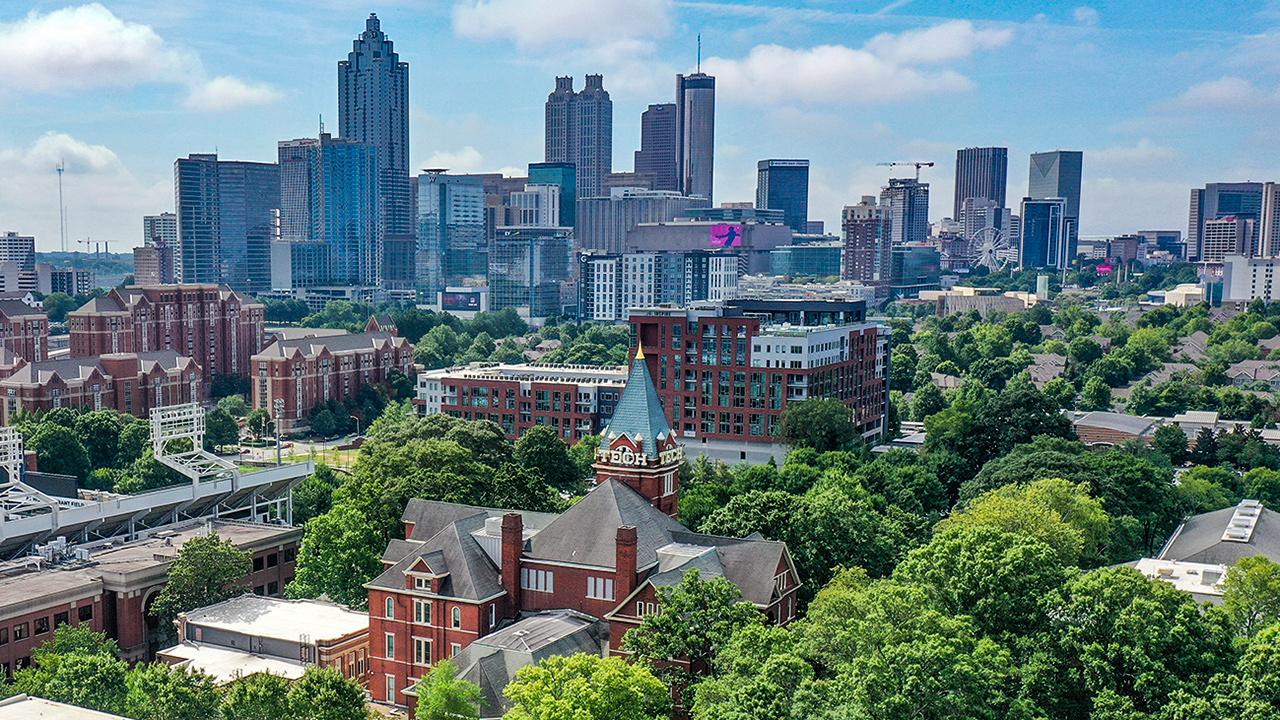
Explore the neighborhoods, housing options, and real estate opportunities surrounding one of Atlanta’s most nationally recognized universities.

Lifestyle
Four cocktails. A live tarot show. A little mystery. And absolutely no telling what might happen next.

Lifestyle
From a tiny East Atlanta walk-up to a citywide favorite, here’s why Morelli’s Gourmet Ice Cream keeps Atlanta coming back for another scoop.

Lifestyle
Discover the best Labor Day weekend events in Atlanta, from Dragon Con and ATL Hip Hop Day to Marietta Art in the Park, Stone Mountain and family-friendly activities.

Lifestyle
Fresh finds, local flavors, handmade goods, and a brand-new reason to spend a fall evening on Roswell Road.

Discover Atlanta’s free fall festival featuring pies, community, and neighborhood fun at Adair Park.

250+ vendors, global flavors, live music, shopping, games, and three days of food-filled fun are coming to Hampton this September.
Address
3107 Peachtree Rd NE A-1
Atlanta GA 30305