When does the Garden Hills Pool actually close for the season? Ask that question in late August and you'll get three different answers depending on who's talking: a swim parent, a board member, or the sign-in sheet at the Admissions Desk. That confusion isn't a scheduling failure. It's a small, reliable clue about how this particular neighborhood amenity actually works, and it has nothing to do with the city of Atlanta.
Right now, the pool at 335 Pine Tree Drive NE is running on what its calendar calls "back to school hours," a stretch that started Sunday, August 2. Fall swim team practices are eating into lap lanes and diving board access through September 6. Labor Day, September 7 this year, is the last day the pool is open to the general public. After that, it belongs to members only, and only on weekends, through Sunday, September 20. None of that is a city parks department decision. It's a neighborhood one, and the reason traces back to a single year: 1981.
Garden Hills Pool was built in the 1930s as a standard city facility, the kind any Atlanta neighborhood might have had. In 1981, the City of Atlanta's Parks Department faced budget constraints severe enough that it proposed a dramatically reduced operating schedule for the pool, the sort of cut that quietly kills a neighborhood amenity over a few seasons. A resident named Stan White organized the Garden Hills Pool & Park Association instead, negotiating a lease with the city and taking on full operational responsibility while keeping the pool open to the public.
That arrangement never went away. Today the pool is still leased from the city and still run entirely by a volunteer board, currently fourteen members, none of them city employees. That's the mechanism behind everything that feels slightly different about how this pool operates compared to a typical municipal facility.
Fourteen neighbors. One city lease. A fall calendar that answers to the board, not to a parks department memo.
For anyone trying to plan the next two weeks around the pool, here's the sequence as it currently stands:
Non-members visiting during open hours still pay $5 per person over age two, a fee the city requires at all of its pools regardless of who operates them day to day. That detail is easy to miss, and it's a useful reminder that even a resident-run pool still answers to certain city rules, just not the ones that would have shortened its season decades ago.
If you're a member and you've wondered why Garden Hills Pool still asks you to cast a paper ballot at the Admissions Desk instead of clicking a link, that's not an oversight either. Board elections here happen entirely in person, during regular pool hours, and only current members can vote, one ballot per membership. In the two most recent election cycles, voting ran from August 30 through September 21 both times, a three-week window that lands squarely across the pool's final open weeks and its transition to member-only hours.
There's a logic to that overlap. The people voting on next year's volunteer board are the same people showing up for the last swims of the season, which means the election effectively happens face to face, at the place being governed, among the people who use it. It's a small structural choice that keeps the pool's decision-making inside the neighborhood rather than routed through any kind of remote system, consistent with how the whole operation has run since 1981.
The competitive side of the pool tells its own version of the same story. The Cool Sharks Swim and Dive Team trains kids from the neighborhood, while the adult team, now branded "Grownup Swimming," has quietly built one of the more unlikely records in local recreational swimming: Atlanta Adult League champions in 2018, 2019, 2022, 2023, 2024, and 2025. That's six championship seasons for a volunteer-run adult team from a single neighborhood pool.
Some of that comes down to coaching continuity that would be notable at any level. Ginny Palmich is returning for her fourth year with the team, stepping up into the head coach role this season after previously serving as associate head coach. Outside of Garden Hills, she coaches Midtown High School's swim team, currently the top-ranked program in Atlanta Public Schools. Joining her as the new associate head coach is Danielle Lefevers, who spent ten years as head coach at Woodward Academy, swam competitively for club programs at Furman and the University of Michigan, and currently coaches age-group swimmers at Dynamo. The team's previous head coach, Genevieve Jarun, is leaving this winter to move to Austin, Texas, where her husband coaches in MLS.
None of that coaching pedigree is required for a neighborhood pool to function. It's there because a self-governed, member-funded facility with no city staff to answer to has apparently decided that competitive excellence is worth recruiting for, the same way it decided in 1981 that keeping the pool open at all was worth organizing for.
This pattern isn't unique to the pool. Down the street, Bagley Park carries its historical name today because the Buckhead Heritage Society pushed, successfully, in 2022 to restore it after decades under a different name, a piece of Garden Hills history that residents chose to correct rather than leave to city record. Alexander Park, directly across from the pool on East Wesley Road, and Sunnybrook Park a few blocks over on Brentwood Drive exist under that same kind of neighborhood stewardship rather than as generic city green space. The Garden Hills Civic Association hosts its own annual Gala each November, funded and organized entirely outside any municipal calendar. In 2025, the neighborhood's 100th anniversary, that tradition took the form of a Centennial Gala at the Cherokee Town Club.
Taken together, the pattern is hard to miss once you see it: Garden Hills residents have a long habit of taking over the parts of neighborhood life that a city department might otherwise let slide, and running them their own way instead. The pool's odd late-August handoff from full public hours to member-only weekends isn't a scheduling quirk. It's the most visible current example of a governance style this neighborhood has practiced since 1981, and it's worth understanding if you're the kind of person who notices these things about where you live.
If you're weighing what a neighborhood like this is actually like day to day, beyond the historic district designation and the walk score, that's the kind of detail that doesn't show up in a listing. Nadine Lutz has spent nearly two decades working in and around Buckhead's close-in neighborhoods, and she's always glad to talk through what makes a specific block, a specific pool, or a specific civic association tick before you make any decision about a move. Reach out anytime to start that conversation.
Check out the latest articles on real estate trends.
Lifestyle
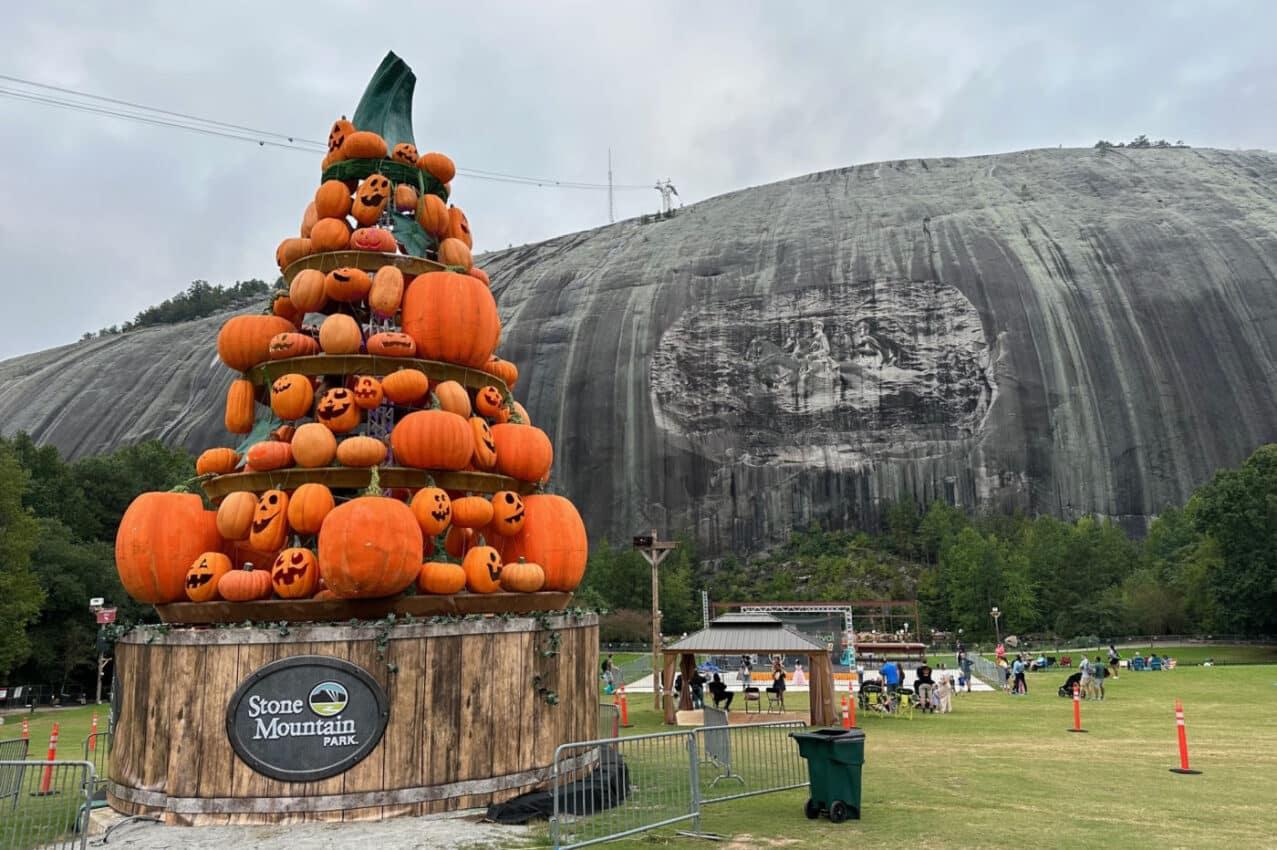
Pumpkins, storybook characters, glowing forests, nighttime entertainment, and a spectacular drone and light show are coming to Stone Mountain Park this fall.
Lifestyle
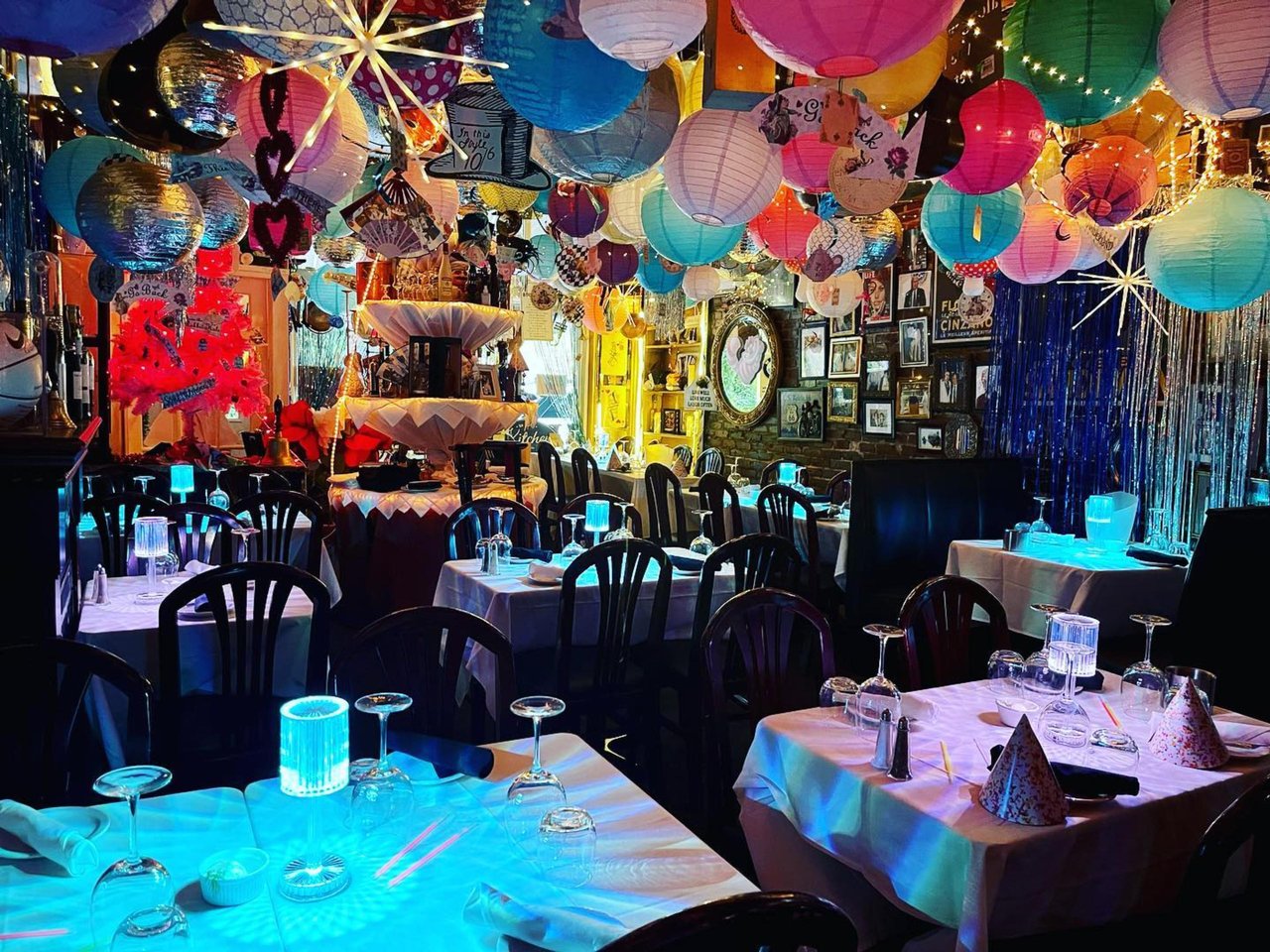
Step inside the magical world of Amore e Amore, where dinner becomes an experience you will want to remember.
Lifestyle
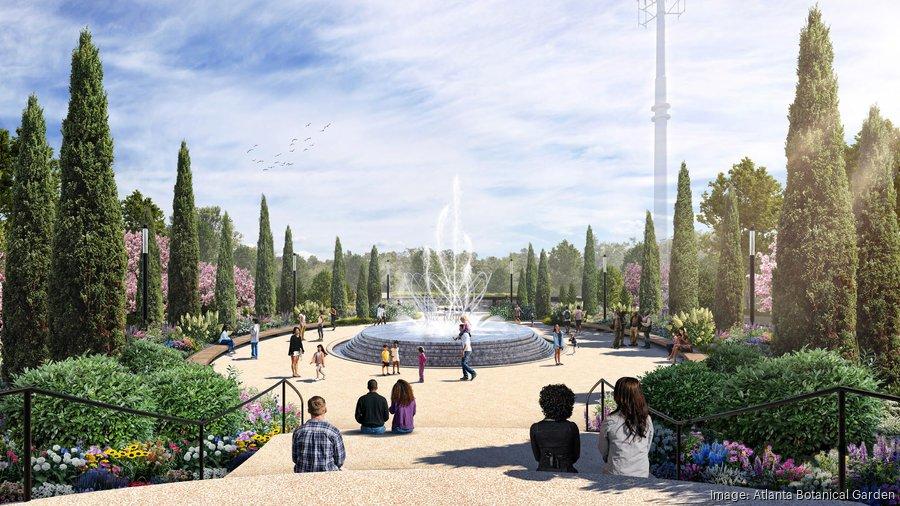
A new front door to the Garden could transform how Atlanta experiences one of Midtown's most beloved destinations, and nearby real estate is worth watching.
Lifestyle
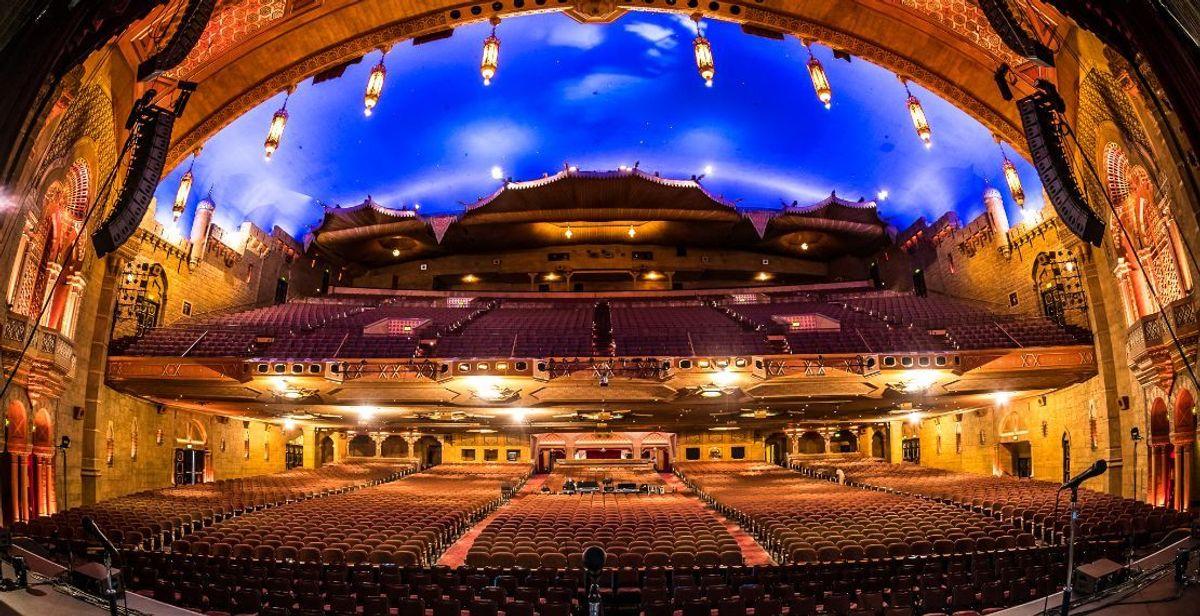
Tickets, the $10 lottery, parking, dinner, and local tips for making the most of Hamilton in Atlanta
Lifestyle
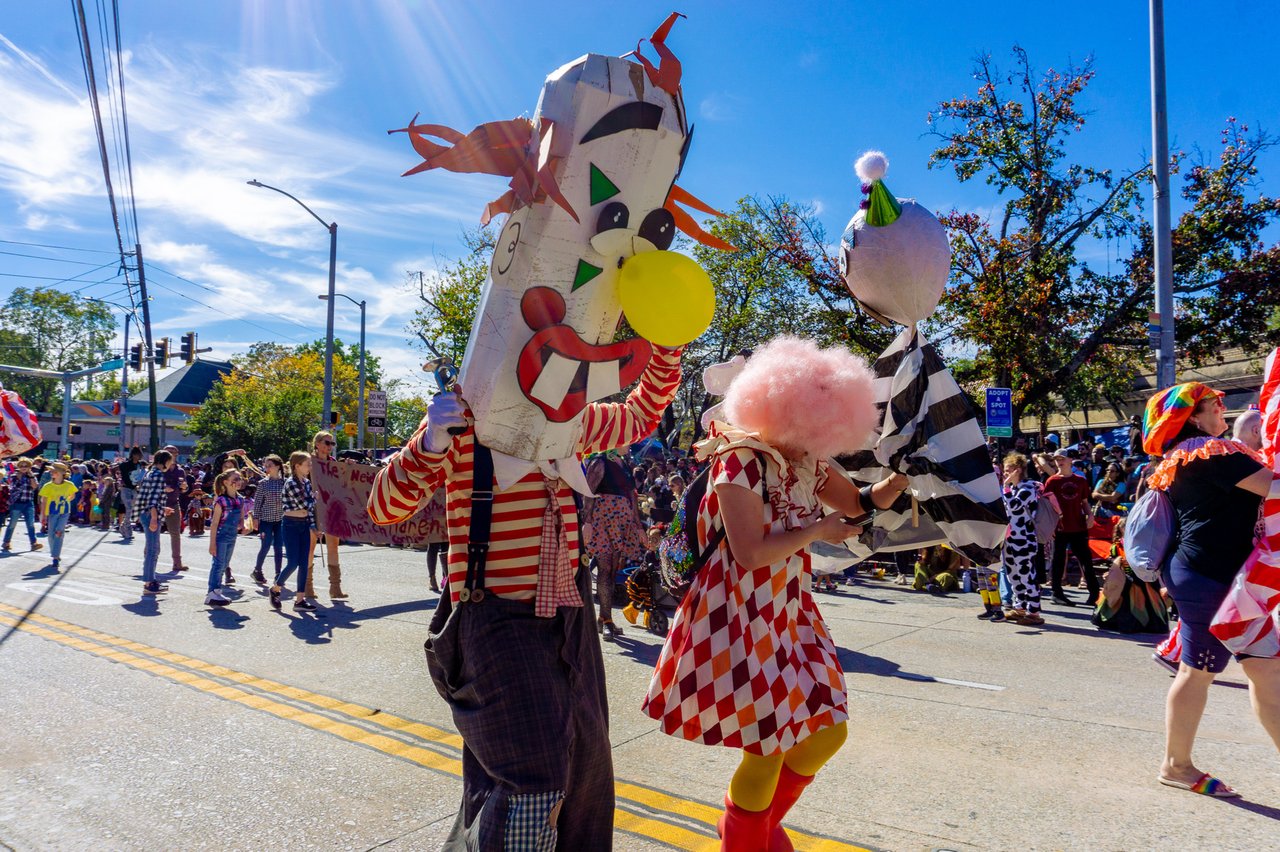
Costumes, cryptids, live music, art, spooky stories, and one unforgettable parade. Here’s your local guide to experiencing Halloween in Little Five Points.
Lifestyle
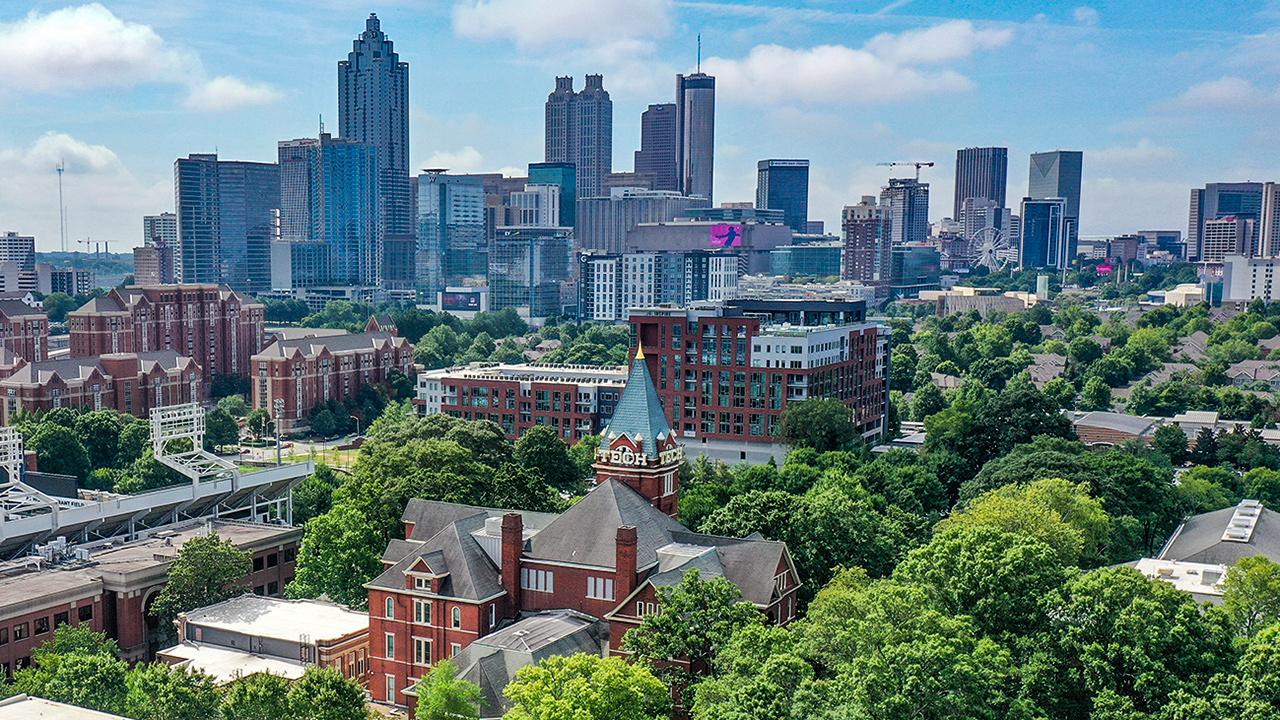
Explore the neighborhoods, housing options, and real estate opportunities surrounding one of Atlanta’s most nationally recognized universities.

Lifestyle
Four cocktails. A live tarot show. A little mystery. And absolutely no telling what might happen next.
Address
3107 Peachtree Rd NE A-1
Atlanta GA 30305