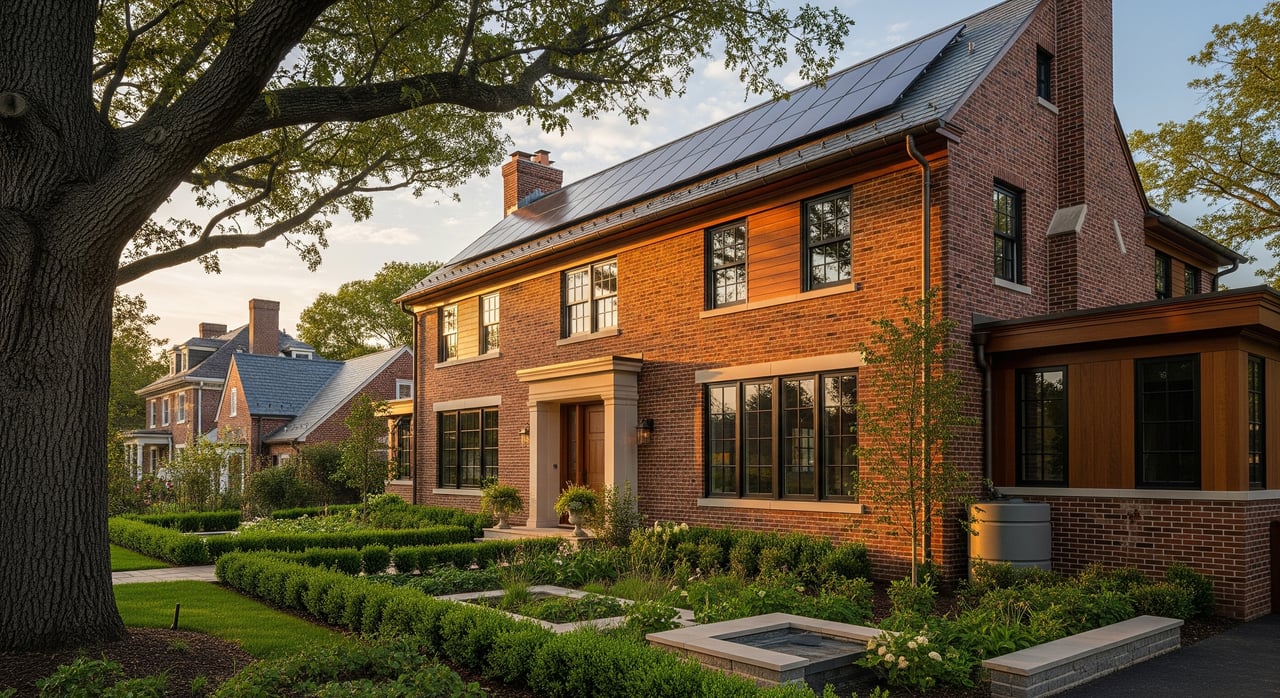
Is your Garden Hills home comfortable in every season, or do you still feel drafts in winter and hot spots in summer? Many homes in this beautiful Buckhead neighborhood were built with charm first and efficiency second. The good news is you can boost comfort and lower utility bills without sacrificing historic character. In this guide, you will learn which upgrades deliver the best returns here, how to plan projects for winter, and what to consider if your home is subject to preservation rules. Let’s dive in.
Garden Hills sits within Atlanta’s humid subtropical climate. Summers are long and warm, and winter brings enough chilly nights that heat loss matters. In this climate, improvements that reduce both heating and cooling loads tend to pay off year round.
Many neighborhood homes date to the early and mid 20th century. Original windows, minimal attic insulation, and older ductwork are common. That mix calls for upgrades that are mostly invisible, protect architectural character, and still move the needle on comfort and bills.
If your property falls under historic guidelines or has an HOA, check review and permitting requirements before you plan exterior work like window replacements or rooftop solar. A short call upfront can save time later.
Start with the attic. Heat rises, and attics are a major path for winter heat loss and summer heat gain. Adding insulation to recommended levels and sealing gaps around light fixtures, plumbing stacks, and attic hatches can make a noticeable difference.
This work is largely invisible and is often the highest return project in an older Garden Hills home.
Leaky or poorly insulated ducts waste energy and create uneven temperatures from room to room. Having a pro measure static pressure and seal joints can improve comfort right away.
A well-maintained system runs more efficiently and is more reliable when cold snaps hit. If your equipment is older, a replacement may be worth evaluating.
Smart thermostats can trim usage when you are away and fine-tune comfort. They cost less than major equipment and often produce measurable savings.
Uninsulated crawlspaces and rim joists can be a hidden source of drafts and heat loss. Sealing and insulating these areas helps your whole home feel more stable.
Full window replacement can help, but it is often less cost-effective than insulation and air sealing. In historic homes, it may also change the exterior look.
Hot water and lighting upgrades are simple wins that add up.
Atlanta’s solar resource is solid, but visibility on the roof can trigger reviews in historic areas. If solar is on your list, plan placement carefully.
Winter is a smart time to tackle certain projects, especially when you want immediate comfort gains.
The most efficient upgrade is not always the most visible. Focus on improvements that do not change the home’s appearance first, like attic and crawlspace work. When you address windows, use a preservation-first approach.
Place condensers and vents in less visible areas when possible. If you are considering solar, choose rear or low-visibility roof planes and mounting methods that keep profiles low. Document your plan and be ready to show how you will preserve the home’s look.
If your property is within a local historic district or subject to HOA guidelines, confirm review steps before exterior work. Take clear photos, keep product information, and save permits and inspection records. Good documentation supports resale value and can be helpful for incentives.
Confirm details early. Some incentives require pre-approval or specific product ratings.
Remember the non-energy returns too: improved comfort, fewer drafts, better humidity control, and features buyers value at resale.
Efficiency upgrades are a practical way to increase appeal in Garden Hills. Buyers notice lower utility costs and the consistent comfort that comes from a well-sealed home with modern controls.
If you plan to sell in the next year or two, a clear efficiency plan can be folded into a broader pre-sale strategy. Thoughtful, preservation-minded upgrades pair well with premium presentation and marketing and can support stronger offers.
Ready to tailor a plan for your home and goals in Garden Hills? Reach out to schedule a consultation with Nadine Lutz. We can help you prioritize improvements that enhance comfort now and strengthen your position when you choose to sell.
Check out the latest articles on real estate trends.

250+ vendors, global flavors, live music, shopping, games, and three days of food-filled fun are coming to Hampton this September.

Lifestyle
From breathtaking aerial acrobatics to mesmerizing circus performances and immersive storytelling, discover why AU Room is redefining live entertainment in Atlanta.
Lifestyle
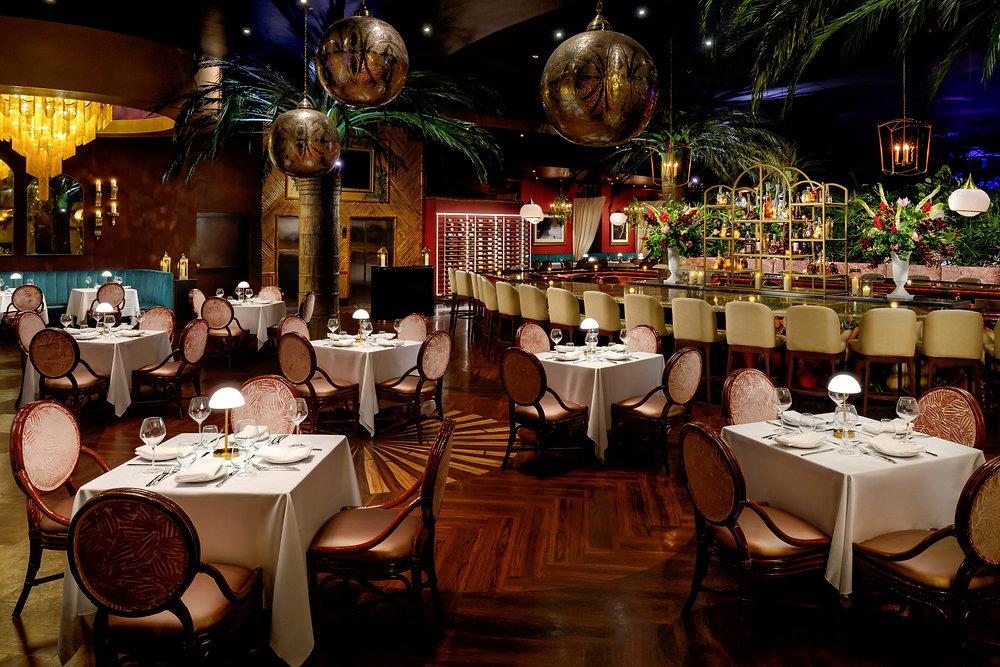
From stuffed lobster and seafood paella to handcrafted cocktails and an inviting atmosphere, discover why Eros Latin Cuisine is quickly becoming one of Gwinnett County's newest culinary destinations.

The NFL has officially named Atlanta as the host city for Super Bowl LXII on February 13, 2028, at Mercedes-Benz Stadium. From fan experiences to the city's economic impact, here's everything you need to know about football's biggest weekend.

Lifestyle
From a massive Birria Pizza to Hot Cheetos Birria Bombs and rich Birria Ramen, Rey Taco ATL is taking over social media. Here's why this Atlanta hotspot deserves a spot on your foodie bucket list.

Lifestyle
Looking for your next family adventure? Georgia's newest indoor slide and action park has officially opened in South Cobb, and it might just become your kids' new favorite place.

What if we told you there's a magical bamboo forest hiding just 20 minutes from Downtown Atlanta? Escape the city, wander through towering bamboo, and discover one of Georgia's most Instagram-worthy hidden gems.
Address
3107 Peachtree Rd NE A-1
Atlanta GA 30305