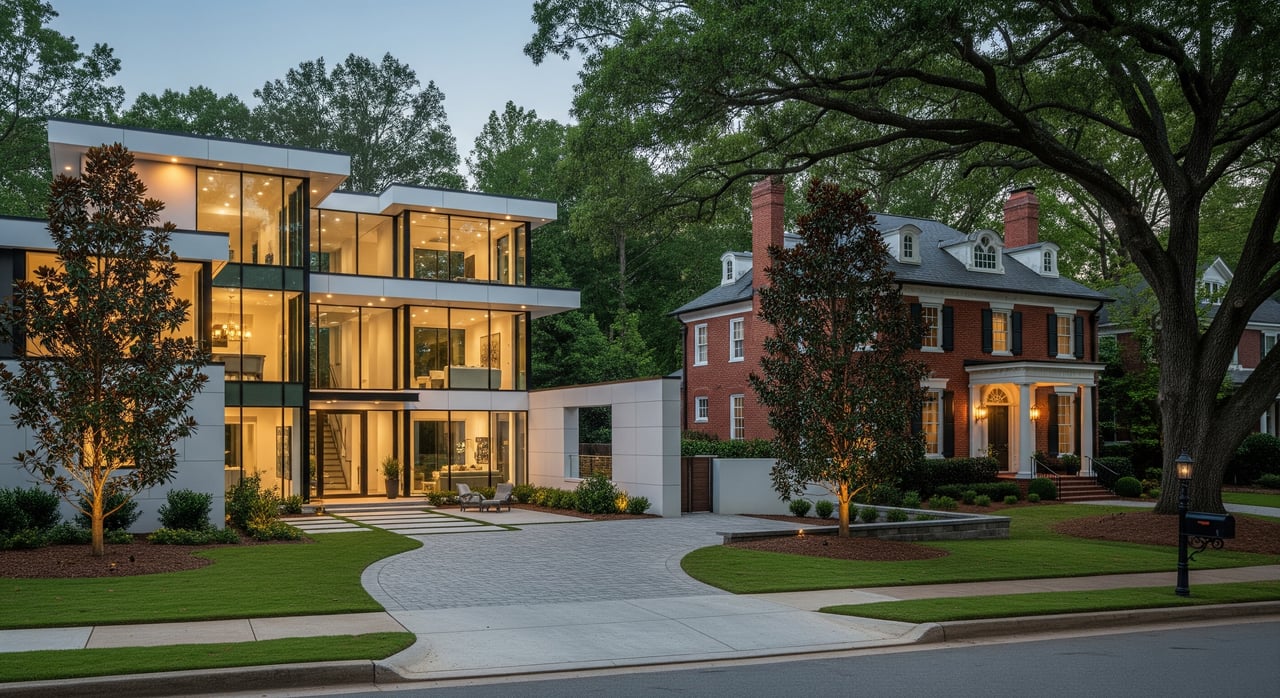
Torn between a brand-new home and a charming resale in Alpharetta? You are not alone. With strong schools, professional jobs, and easy commutes, Alpharetta attracts buyers at every stage of life. This guide walks you through costs, timelines, warranties, inspections, and lifestyle trade-offs so you can choose with confidence. Let’s dive in.
Alpharetta snapshot
Alpharetta sits in northern Fulton County and benefits from steady demand tied to technology and professional employment, suburban convenience, and mixed-use destinations. Many buyers prioritize access to GA-400 and key corridors like Haynes Bridge and State Route 141. You will find new construction in planned subdivisions and infill sites, while resales span established neighborhoods with mature landscaping and close-in convenience.
New construction vs. resale: a quick compare
Price and value
- New construction: You often pay a premium for modern layouts, energy efficiency, and builder warranties. Lot premiums and upgrade options can add to the bottom line. Appraisals rely on nearby comps, so higher prices can create appraisal gaps that require extra cash at closing.
- Resale: Pricing follows comparable sales. You may secure a lower entry point or a prime location, but plan for renovations or maintenance that can offset initial savings.
Inventory and selection
- New construction: Inventory depends on the builder’s pipeline and lot releases. Options range from quick-move-in homes to build-to-order with longer timelines.
- Resale: Wider selection across micro-neighborhoods and price bands with the possibility of faster occupancy.
Customization and finishes
- New construction: Choose floorplans and finishes if you buy early. Some options have long lead times, and change orders can increase costs.
- Resale: You get what exists on day one. Negotiation on price can free budget for targeted updates.
Condition and inspections
- New construction: Systems are new and under warranty, but construction defects and punch-list items still happen. Independent inspections at pre-drywall and final stages are recommended.
- Resale: Condition varies. A thorough home inspection helps you anticipate repairs for items like roof, HVAC, or foundation.
Warranties and protections
- New construction: Builders typically offer a workmanship warranty and manufacturer coverage, often with longer structural protections. Always review written terms and coverage windows.
- Resale: No builder warranty unless you purchase a separate home warranty. Buyer protections rely on disclosures and inspection contingencies.
Energy efficiency and systems
- New construction: Built to current codes with efficient insulation, windows, and HVAC. Operating costs may be lower in the near term.
- Resale: Efficiency depends on the home’s age and upgrades. Plan for possible system replacements sooner.
Location and lots
- New construction: Often in new subdivisions or infill near mixed-use areas. Amenities may be planned, and distance to established commercial corridors can vary.
- Resale: Often in established neighborhoods with mature trees and existing community buffers that many buyers value.
HOA rules and fees
- New construction: Most new communities include HOAs with design guidelines and amenity fees. Covenants can influence resale and personal preferences.
- Resale: May be in HOA or non-HOA areas. Legacy rules and fees vary, so review documents carefully.
Money, appraisals, and taxes in Fulton County
Financing paths
- New construction: You may purchase a completed spec home with a standard mortgage or use a construction-to-permanent loan for a from-the-ground-up build. Some builders offer incentives through preferred lenders.
- Resale: Typically financed with conventional, FHA, or VA loans with straightforward underwriting.
Appraisal dynamics
Appraisers rely on comparable sales. When new construction lists above nearby resales, the loan may be limited to the appraised value. You can negotiate with the builder, adjust options, or bring cash to bridge a gap.
Property taxes and assessments
- New construction: The assessed value reflects the completed home, which can mean a higher bill than vacant land. Confirm Fulton County assessment timing and cycles for your address.
- Resale: Taxes reflect the current assessment. Review tax history and ask about any pending reassessment.
Closing costs and incentives
- New construction: Builders often provide credits, rate buydowns, or appliance packages. Incentives may be tied to specific lenders or timelines.
- Resale: Depending on market conditions, sellers may offer repair credits or help with closing costs.
Insurance and ongoing costs
- New construction: Newer systems can reduce premiums. Verify floodplain status before you bind a policy.
- Resale: Premiums reflect home age, system updates, and claims history. Budget for near-term maintenance if systems are older.
Timelines, negotiation, and process
Typical timelines
- New construction: A quick-move-in home can close in 30 to 90 days. A full build can take several months to a year depending on weather, permitting, and supply chain.
- Resale: Most transactions close in 30 to 60 days after inspections and financing clear.
Negotiation leverage
- New construction: Flexibility varies by market and build stage. If inventory is tight, builders may hold firm on price but offer incentives or upgrades. In cooler periods, concessions can be larger.
- Resale: Leverage depends on days on market, condition, and comparable sales. Individual sellers may be more flexible than investor sellers.
Contingencies and protections
- New construction: Builder contracts differ from standard resale forms. Seek clarity on upgrade allowances, change-order pricing, completion dates, delay remedies, and warranty details.
- Resale: Common protections include inspection, appraisal, and financing contingencies. In Georgia, sellers complete a Property Condition Disclosure Statement.
Inspections that matter
- New construction: Order a pre-drywall inspection to review framing and rough-ins, plus a final inspection and punch-list walk-through. Confirm timelines for corrective work.
- Resale: Arrange a full home inspection and specialized evaluations as needed, such as termite, radon, roof, HVAC, foundation, or septic.
Buyer checklists for Alpharetta
New construction checklist
- Verify the builder’s reputation. Ask to tour completed projects and request references.
- Review the contract for upgrade allowances, change-order pricing, deposit protections, completion dates, and warranty terms.
- Confirm whether lender incentives require using a preferred lender and compare total cost of financing.
- Schedule independent inspections at pre-drywall and before final acceptance.
- Request HOA documents, covenants, fees, and amenity timelines.
- Verify utilities, impact fees, sidewalks, and streetlights for the specific lot.
- Confirm school assignment through official channels for the exact address.
Resale checklist
- Get a full home inspection and verify the age and condition of major systems.
- Review comparable sales in the immediate neighborhood to confirm pricing.
- Check for easements, floodplain status, and any local rental or short-term rental restrictions.
- If there is an HOA, review rules, fees, and any pending special assessments.
Selling when builders are active
If you are selling a resale home while nearby builders are delivering new inventory, small strategic moves can help you stand out. Consider light updates or targeted pre-sale enhancements and professional staging to showcase your location, mature landscaping, and lot advantages. Provide clear disclosures and consider a pre-list inspection to remove doubts. You may also use seller-paid credits to compete with builder incentives.
Lifestyle trade-offs in Alpharetta
Choosing between new and resale is about how you want to live day to day. New communities may offer modern floorplans, energy savings, and on-site amenities. Established areas often offer quicker access to commuting routes, shopping, and services, plus mature trees and larger or more varied lots. Think about parking needs, garage layouts, and whether a low-maintenance townhome or a single-family yard suits your routine.
Next steps in your search
Before you decide, verify current local data for your target neighborhood, including comparable sales, new-home inventory, and permit activity. Confirm school assignment for the specific address, and review city and county resources for planning, floodplain maps, and assessments. A clear plan for inspections, financing, and timelines will protect your budget and your time.
When you are ready to weigh options on a specific street or subdivision, get local, expert guidance. Connect with Nadine Lutz for a personalized plan, from comparing new-build incentives to evaluating resale comps and crafting a negotiation strategy that fits your goals.
FAQs
Is new construction always a better value in Alpharetta?
- Not always. New homes reduce near-term maintenance and include warranties, but they can carry a premium and appraisal risk. Resales can deliver location benefits and established comps that support pricing.
Do I still need an inspection on a new home?
- Yes. Independent pre-drywall and final inspections help catch issues early and ensure punch-list items are addressed before closing.
Will property taxes be higher on a new build in Fulton County?
- Likely yes. The assessment reflects the completed home. Verify timing and valuation for your exact address with county resources.
Do builders in Alpharetta offer closing incentives?
- Often. Incentives like closing credits or rate buydowns are common and may require a preferred lender or specific terms. Always compare the total cost of financing.
Which will be easier to sell later: new or resale?
- It depends on location, floorplan appeal, and community features. Homes in desirable areas with strong comparables and well-maintained condition tend to sell more smoothly.