If you love the idea of a historic home but worry about old-house surprises, Garden Hills is the kind of neighborhood that makes the tradeoff worth a closer look. Its classic architecture, leafy streets, and Buckhead location give you charm that new construction rarely matches, but buying or selling here still calls for practical decisions about updates, maintenance, and long-term value. When you understand how to balance preservation with modern comfort, you can make smarter moves in this distinctive market. Let’s dive in.
Garden Hills was planned and developed between 1923 and 1941 as a suburban community that combined homes with parks, community spaces, a church, a commercial strip, apartment buildings, and transportation access. According to the National Register documentation, the neighborhood is listed in the National Register of Historic Places, with a period of significance from 1925 to 1949.
That history still shapes what you experience today. Garden Hills includes more than 750 single-family homes, some multifamily residences, mature hardwood trees, pocket parks, a pool and recreation center, and convenient access to shopping, dining, and transportation in Buckhead. The result is a neighborhood feel that blends established character with everyday convenience.
Part of Garden Hills’ appeal is that the homes do not all look the same. The area is known for Tudor or English Revival homes, along with Colonial Revival, French Eclectic, and Spanish Mission styles. Buckhead Heritage also notes examples of Georgian, Neoclassical, Spanish Revival, International or Modernistic, and Moorish architecture.
Beyond the homes themselves, the streetscape matters. Curving roads, wide divided roadways, apartment buildings near major corridors, and a strong tree canopy all contribute to the neighborhood’s visual identity. If you are buying here, you are not just choosing a house. You are also investing in a setting with a well-defined sense of place.
Living well in a 1920s to 1940s home usually has less to do with trendy finishes and more to do with systems, comfort, and careful upkeep. Historic homes can absolutely support modern living, but they often need thoughtful attention in the right areas.
The National Park Service guidance on weatherization points to common priorities such as air leaks around windows and doors, insulation, and evaluation of heating, cooling, and electrical systems. In practical terms, that means buyers and sellers in Garden Hills should pay close attention to:
A home can look beautiful at first glance and still need meaningful behind-the-scenes work. In a premium neighborhood, those details often have an outsized impact on comfort, maintenance costs, and resale value.
Windows are often one of the biggest decision points in historic homes. If you want better efficiency, it can be tempting to assume replacement is the only answer. In many cases, that is not true.
The National Park Service window guidance recommends documenting existing condition and considering repair options first. Historic windows can often be improved with weatherstripping, glazing, sash work, or storm windows while still preserving original character.
That matters because windows are both a comfort issue and a design feature. If you are selling, well-maintained original windows with documented improvements may appeal to buyers who value authenticity. If you are buying, knowing whether the windows were repaired thoughtfully or replaced without regard for character can help you judge both quality and future value.
Brick, stone details, chimneys, and traditional mortar joints are part of what gives many Garden Hills homes their presence. They also require the right kind of maintenance. A quick cosmetic fix can create bigger problems later.
The NPS preservation brief on repointing masonry explains that mortar should be matched appropriately to the original wall and that the root cause of deterioration should be addressed before repointing starts. Leaks, drainage issues, or settlement can all contribute to damage.
If you see cracking, crumbling joints, stains, or recurring moisture, it is worth getting expert guidance. For buyers, this is part of smart due diligence. For sellers, proper repairs with appropriate materials can support stronger buyer confidence.
Because Garden Hills homes were built before 1978, lead safety should be part of any renovation conversation. This is especially important if work will disturb painted surfaces during repairs or remodeling.
The EPA’s Renovation, Repair and Painting Program states that paid renovation, repair, or painting work that disturbs lead-based paint in pre-1978 homes must be performed by lead-safe certified contractors. If you are planning updates, this is not a minor detail. It is part of responsible project planning.
One area that often causes confusion is historic status. Buyers and sellers sometimes assume that National Register listing automatically controls what a homeowner can do to a property. That is not necessarily the case.
According to the National Park Service FAQs on the National Register, listing in the National Register places no federal restrictions on a non-federal private owner. At the same time, local historic rules are a separate matter. In Atlanta, the Historic Preservation Studio manages Historic Preservation Review and Certificates of Appropriateness, and the city permit system covers residential trade permits for work such as electrical, plumbing, and HVAC.
The takeaway is simple: if you are planning meaningful exterior changes or major system updates, confirm what approvals or permits may apply before work begins. This helps protect your timeline, your budget, and your resale position.
When you are updating a historic home, sequence matters. The projects that preserve value are usually not the flashiest ones first.
A smart order often looks like this:
This approach aligns with NPS guidance on historic weatherization, which notes that historic buildings can become more energy efficient without sacrificing character when the work is done carefully. If you are preparing to sell, this sequence can also help you invest in updates that buyers are more likely to trust and value.
If you are shopping for a home in Garden Hills, charm should not distract you from the practical side of ownership. A beautiful façade and original details are meaningful, but they work best when paired with documented care.
Look for homes where the seller can show evidence of:
In this neighborhood, thoughtful stewardship often matters as much as square footage. A house that has been carefully maintained and updated may justify stronger pricing than one with similar style but deferred work.
If you are thinking about selling a historic home in Garden Hills, presentation still matters, but preparation matters just as much. Buyers in this price range often look closely at the quality and logic of past work.
Public market sources point to a strong, high-value market in Garden Hills. Zillow reports an average home value of $794,899 as of February 28, 2026, up 4.8% year over year, while Zillow’s Garden Hills home values page and the broader market snapshot in the research suggest that condition and thoughtful updates can materially affect value.
Before listing, it helps to focus on:
In a neighborhood known for architectural character, your home’s story is part of its market position. Buyers want to see not only beauty, but also evidence of care.
In historic-home sales, paperwork can be surprisingly persuasive. Receipts, permits, contractor information, and details about materials used can help reduce buyer uncertainty.
That is especially true in a neighborhood like Garden Hills, where older homes often involve a mix of original features and later updates. If work was handled well, documentation helps prove it. If you are buying, asking for these records can give you a clearer picture of what you are really purchasing.
Garden Hills continues to attract interest because it offers more than one thing at once. You get historic architecture, mature landscaping, parks, and a location with strong access to the rest of Buckhead. The Garden Hills neighborhood overview reinforces that combination of architecture, green space, and convenience.
For many buyers, that mix is hard to replicate. For sellers, it means the bar is high. Homes that feel authentic, comfortable, and well cared for tend to stand out for the right reasons.
Whether you are buying a classic home that needs a thoughtful plan or preparing to sell a property with years of careful upgrades, local strategy matters. If you want tailored guidance on positioning, improvements, or market timing in Buckhead and Garden Hills, connect with Nadine Lutz for expert, high-touch support.
Check out the latest articles on real estate trends.

Lifestyle
A magical new immersive experience is opening in Atlanta this fall, with 360° projections, interactive games, toy-making, VR, and plenty of opportunities for kids and adults to play.

Lifestyle
Pumpkins, storybook characters, glowing forests, nighttime entertainment, and a spectacular drone and light show are coming to Stone Mountain Park this fall.
Lifestyle
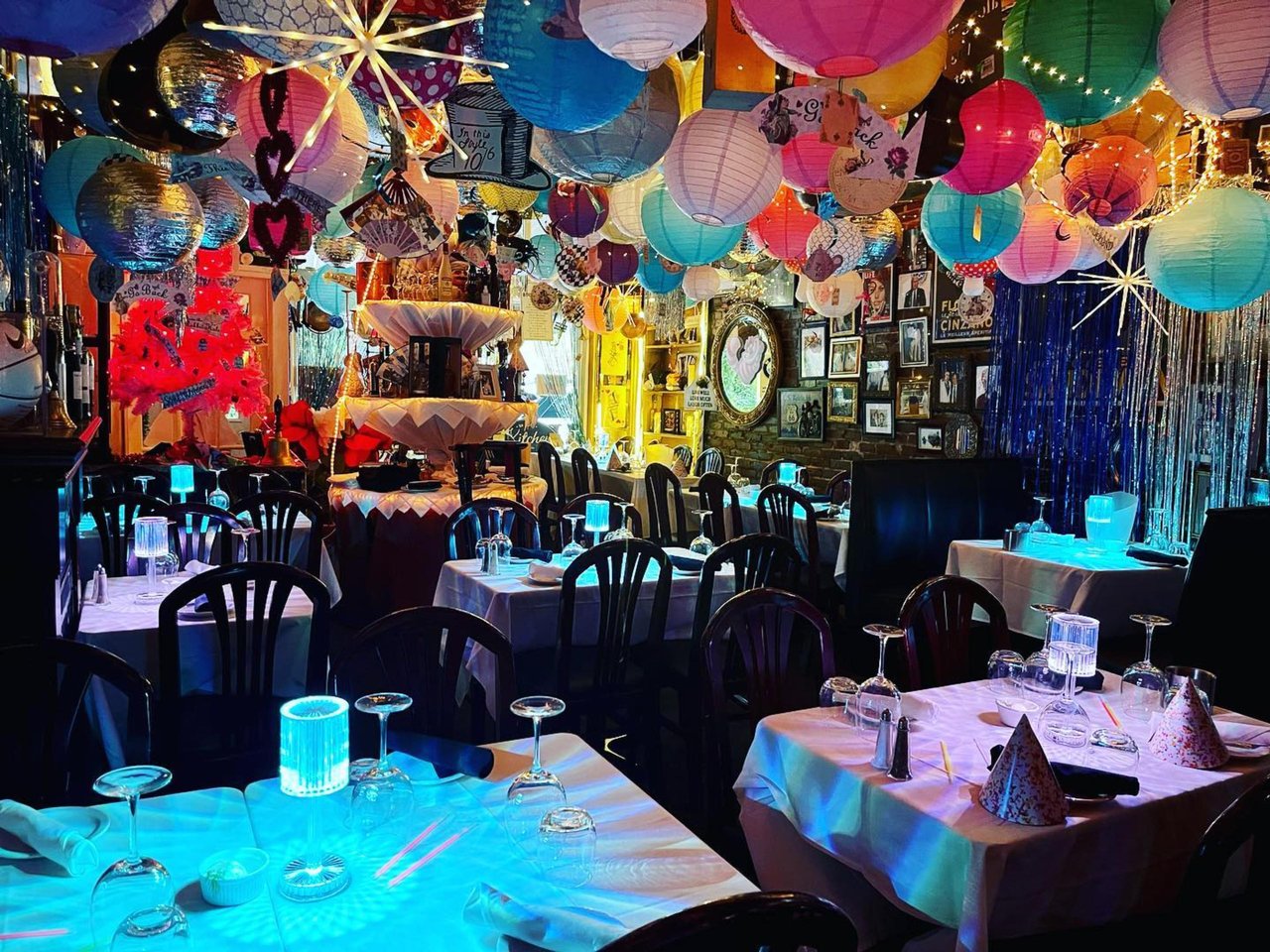
Step inside the magical world of Amore e Amore, where dinner becomes an experience you will want to remember.
Lifestyle
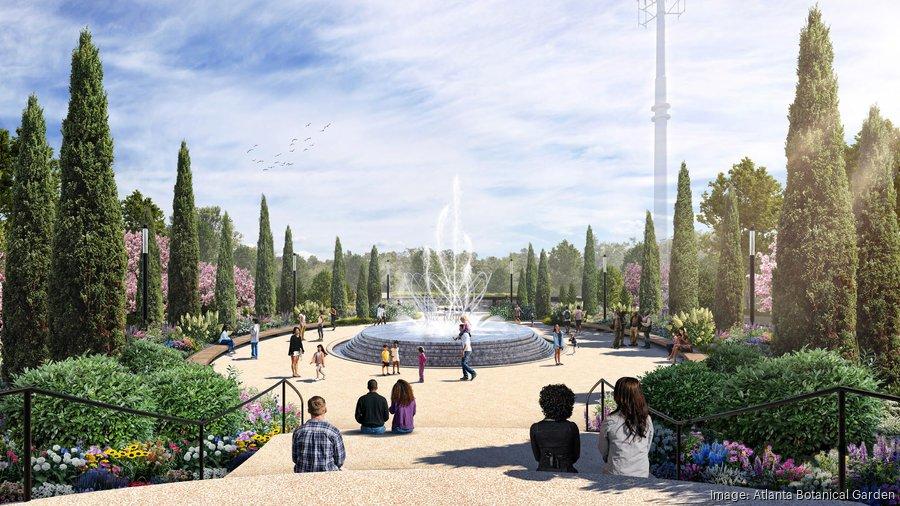
A new front door to the Garden could transform how Atlanta experiences one of Midtown's most beloved destinations, and nearby real estate is worth watching.
Lifestyle
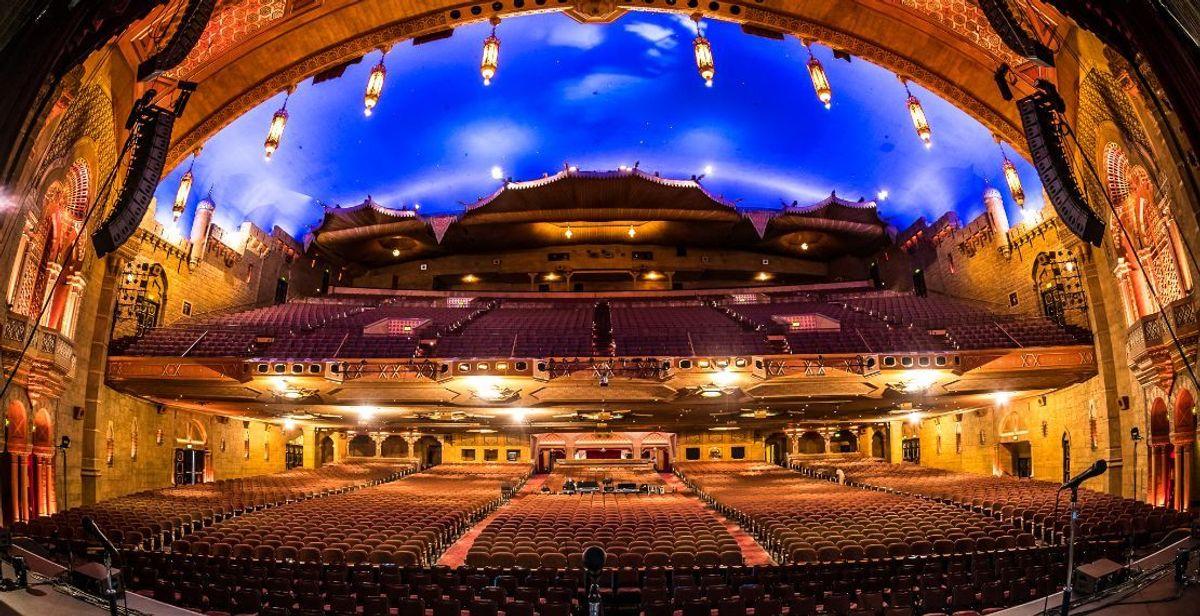
Tickets, the $10 lottery, parking, dinner, and local tips for making the most of Hamilton in Atlanta

Lifestyle
Costumes, cryptids, live music, art, spooky stories, and one unforgettable parade. Here’s your local guide to experiencing Halloween in Little Five Points.

Lifestyle
Explore the neighborhoods, housing options, and real estate opportunities surrounding one of Atlanta’s most nationally recognized universities.
Address
3107 Peachtree Rd NE A-1
Atlanta GA 30305