Wondering whether a high-rise or low-rise condo is the better fit in Midtown? You are not alone. Midtown offers both tower living with skyline views and smaller-scale buildings with a more neighborhood feel, so the right choice often comes down to how you want to live day to day. If you are weighing lifestyle, monthly costs, pet routines, work-from-home needs, and future resale, this guide will help you sort through the tradeoffs. Let’s dive in.
Midtown is one of Atlanta’s most walkable, transit-connected urban districts. Midtown Alliance describes the core as 1.2 square miles, with more than 100,000 people spending time there and four MARTA rail stations serving the area. The district also connects directly to Piedmont Park and the BeltLine Eastside Trail, which adds to its appeal for condo buyers.
That broad lifestyle appeal supports demand across many condo types, not just one building style. Midtown Alliance reports that nearly 50 new buildings have been delivered since 2018, with a combined value approaching $9 billion. In other words, when you buy in Midtown, you are often buying into the district’s overall convenience and energy as much as the individual property.
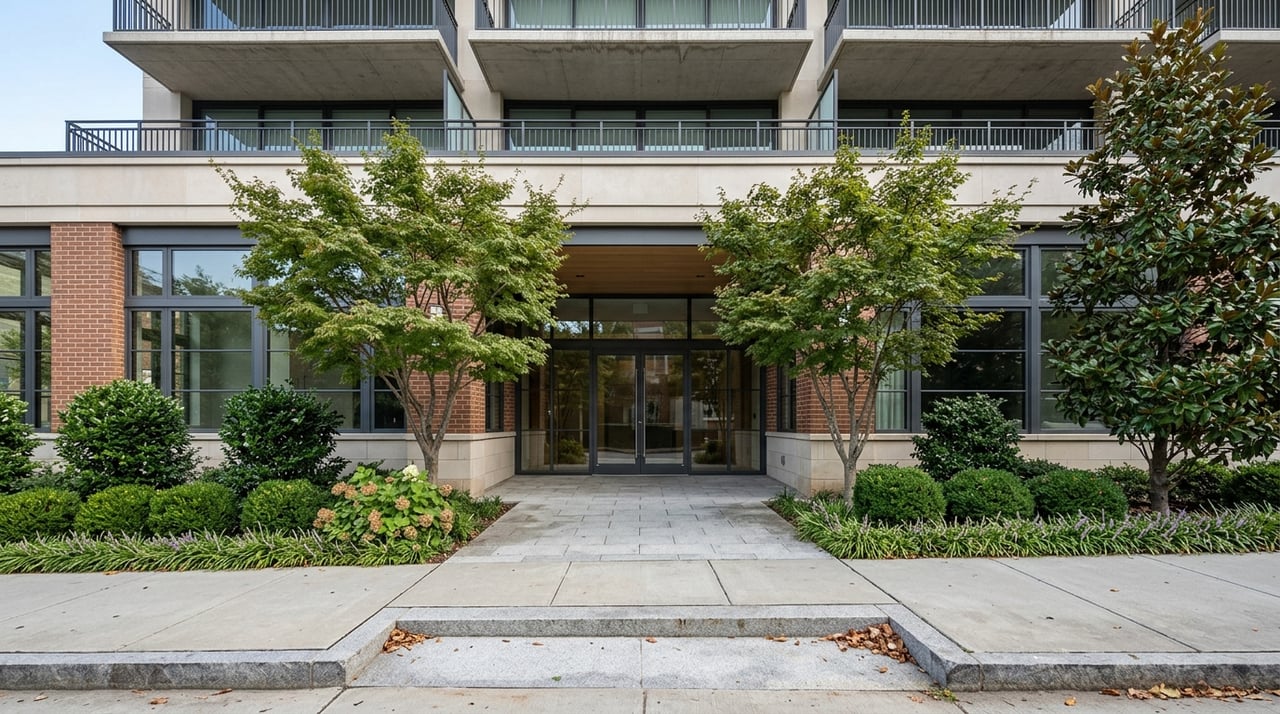
High-rise condos in Midtown usually stand out for views, amenities, and service. Local examples reflect that pattern, with buildings such as Azure on the Park highlighting views and Seventh Midtown emphasizing concierge service, a clubroom, fitness center, theater room, garden terrace, and pool. If you picture a polished, vertical lifestyle with a strong building identity, a high-rise may feel like a natural fit.
For many buyers, that means a more full-service experience. You may enjoy the convenience of shared amenities, a lock-and-leave setup, and spaces designed for entertaining or unwinding without leaving the building. If skyline or park views matter to you, high-rise living will usually give you more of those options.
Low-rise and mid-rise condos in Midtown can feel more grounded and more connected to the street. Peachtree Walk, for example, is a 5-story mid-rise with 218 units and markets some of the lowest association dues in the area. Cornerstone Village is a 6-story mid-rise spread across four buildings on one block, with amenities that include a pool, fitness center, clubhouse, and movie theater.
That smaller scale often appeals to buyers who want quicker access in and out of the building. You may prefer less elevator dependence and a layout that feels more residential than tower-like. While quieter or more private living is never guaranteed by building height alone, many buyers are drawn to the simpler rhythm that lower-rise communities can offer.
Before you focus on square footage or finishes, think about how the building will support your routine. In Midtown, the better choice is often the one that matches your habits, not the one with the flashiest feature list.
A high-rise may be the better fit if you want:
A low-rise or mid-rise may be the better fit if you want:
If you have a dog, Midtown works well either way because the neighborhood itself is a major advantage. Piedmont Park includes two off-leash dog parks, and Midtown’s direct access to parks and trails gives pet owners plenty of options. That location benefit can make both high-rise and low-rise living workable.
Still, your daily rhythm matters. A low-rise or mid-rise may make quick walks easier, especially early in the morning or late at night. A high-rise can still work very well if you value the larger Midtown lifestyle and do not mind elevator trips as part of your routine.
If you work from home, building type is only part of the story. In practice, your day-to-day comfort usually depends more on the unit’s layout, usable space, and overall noise level than on whether the building is tall or short. A beautiful tower view may be inspiring, but it should not distract you from how the home actually functions during the workday.
High-rise living may appeal if you want amenities like a fitness center or shared lounge space nearby. Smaller communities may feel more residential and may reduce some of the friction that comes with more vertical living. The key is to evaluate how your specific unit and building support focus, privacy, and convenience.
One of the biggest mistakes condo buyers make is comparing only purchase prices. Condo ownership costs also include monthly association dues, and those dues can cover exterior and common-area repairs, maintenance, water, sewer, trash, recreational amenities, insurance, or reserve contributions.
That is why building type matters financially. A high-rise with elevators, staffed services, structured parking, and larger amenity packages will often carry a more complex operating budget. A low-rise or mid-rise may have lower dues in some cases, but you still need to verify what is included and whether the association is setting aside enough for future needs.
No matter which style you prefer, your due diligence should go beyond the unit itself. The health of the condo association can affect your ownership costs, financing options, and future resale.
Here are some of the most important items to review:
HUD notes that condo approval can depend on factors such as insurance coverage, financial condition, legal actions, title structure, and physical condition. Even in a strong Midtown location, those building-level details can shape both marketability and loanability.
Many buyers ask whether high-rise or low-rise condos are easier to resell. In Midtown, there is no automatic winner. Resale typically depends more on a mix of location, fees, building condition, livability, and association strength than on height alone.
The Midtown condo market is active. Redfin reported 301 condos for sale in Midtown Atlanta at a median listing price of $350,000, while the neighborhood’s median sale price across all home types was $379,872 in May 2026. Zillow’s Midtown data shows an average value of $359,741, down 3.5% over the past year, with homes going pending in about 67 days.
That data points to a real market with meaningful inventory, not a niche segment. At the city level, Georgia REALTORS reports that townhome-condos made up 28.7% of market share in the City of Atlanta in 2025. Condos remain a major part of Atlanta’s housing mix, which supports long-term relevance for both high-rise and low-rise options.
In Midtown, strong resale potential usually comes from a combination of location, building management, reasonable fee structure, and everyday livability. A high-rise may hold premium appeal if it offers standout views, desirable amenities, and a well-run association. A low-rise or boutique building may age well when it keeps fees manageable, maintains the property consistently, and delivers a comfortable daily experience.
Midtown’s broader fundamentals remain a plus for both categories. Midtown Alliance says 96% of commercial and residential buildings are within a 6-minute walk of MARTA, and more than 100,000 people spend time in the district on a typical day. Those fundamentals support demand, but they do not erase the need to study each building carefully.
If you are torn between high-rise and low-rise living, start with your routine and your budget. Ask yourself how much you value views, amenities, service, quick access, and monthly cost predictability. Then compare that lifestyle wish list against the specific building’s dues, reserves, insurance, and upkeep.
In Midtown, neither option is better across the board. The best choice is the one that fits the way you actually live today and the way you expect to live over the next several years. When you match the building style to your priorities, you are far more likely to feel good about both the purchase and the long-term investment.
If you want expert guidance comparing Midtown condos, building fees, and resale considerations, Nadine Lutz can help you evaluate your options with a strategic, client-first approach.
Check out the latest articles on real estate trends.
Lifestyle
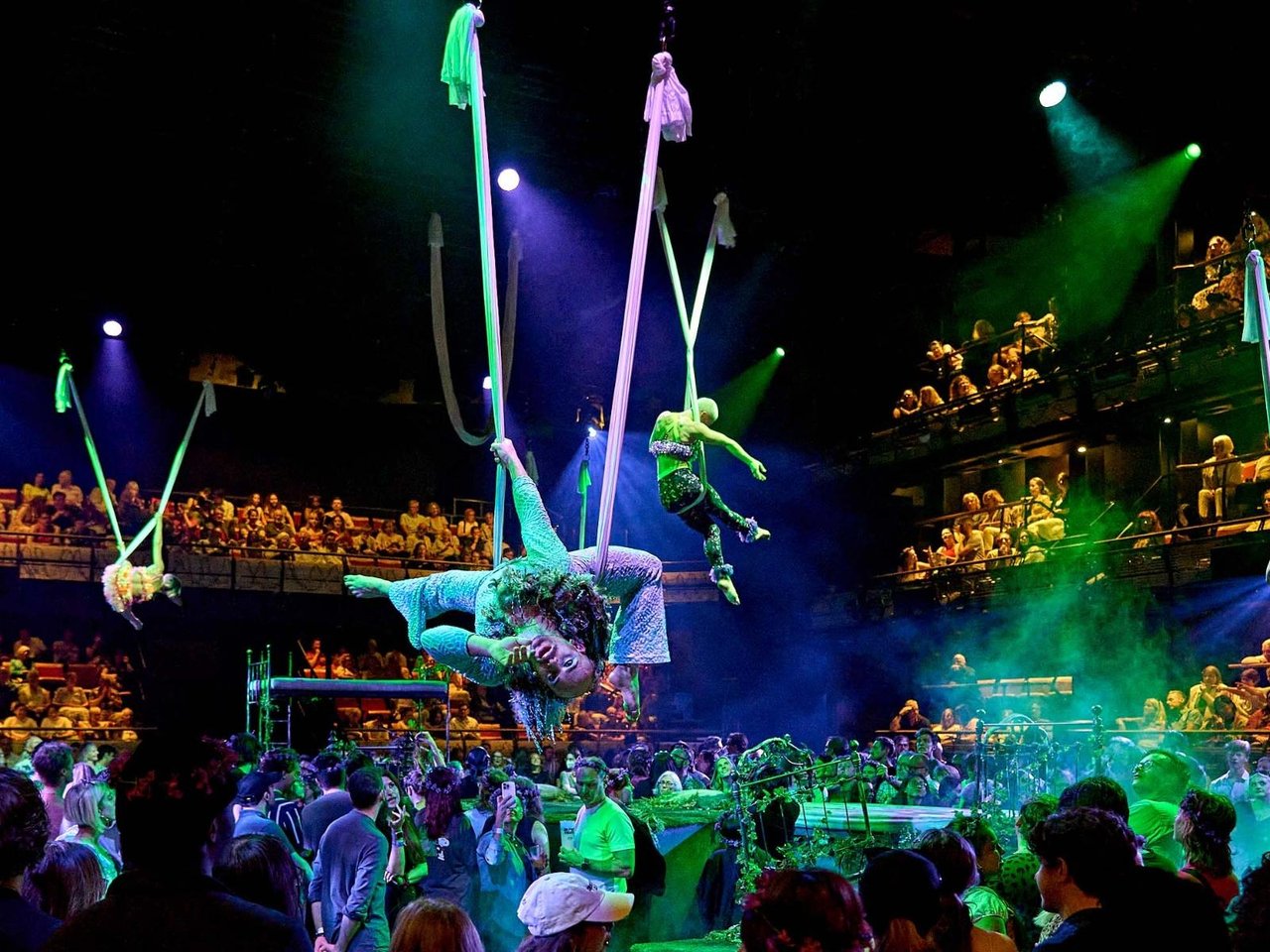
From breathtaking aerial acrobatics to mesmerizing circus performances and immersive storytelling, discover why AU Room is redefining live entertainment in Atlanta.
Lifestyle
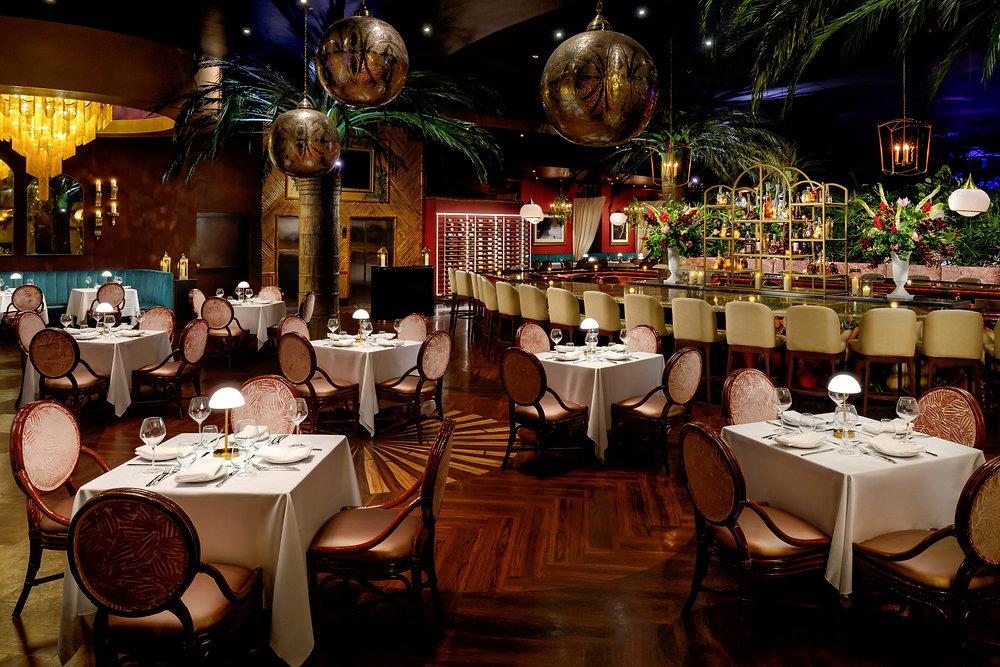
From stuffed lobster and seafood paella to handcrafted cocktails and an inviting atmosphere, discover why Eros Latin Cuisine is quickly becoming one of Gwinnett County's newest culinary destinations.


The NFL has officially named Atlanta as the host city for Super Bowl LXII on February 13, 2028, at Mercedes-Benz Stadium. From fan experiences to the city's economic impact, here's everything you need to know about football's biggest weekend.

Lifestyle
From a massive Birria Pizza to Hot Cheetos Birria Bombs and rich Birria Ramen, Rey Taco ATL is taking over social media. Here's why this Atlanta hotspot deserves a spot on your foodie bucket list.
Lifestyle
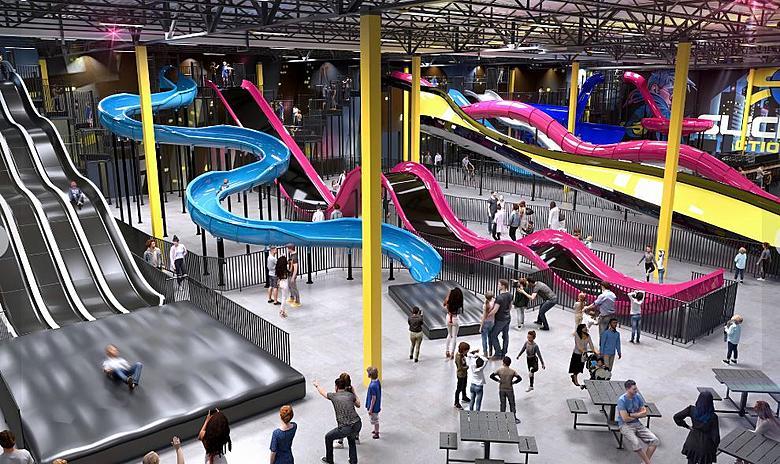
Looking for your next family adventure? Georgia's newest indoor slide and action park has officially opened in South Cobb, and it might just become your kids' new favorite place.

What if we told you there's a magical bamboo forest hiding just 20 minutes from Downtown Atlanta? Escape the city, wander through towering bamboo, and discover one of Georgia's most Instagram-worthy hidden gems.

Lifestyle
Experience award-winning new works, including the world premiere of Helen of the West, at Atlanta's premier theatre festival from August 7 to August 23, 2026.
Address
3107 Peachtree Rd NE A-1
Atlanta GA 30305