Buying a condo in Midtown Atlanta can feel exciting until the fine print shows up. HOA documents, reserve funds, elevator ages, and rental rules can all change your monthly costs and your long‑term value. If you want a view near Piedmont Park or quick access to MARTA and Tech Square, asking the right questions early will save you time, stress, and money. This guide gives you a clear checklist so you can buy with confidence. Let’s dive in.
Midtown is a vibrant, amenity‑rich neighborhood with high‑rise living, cultural venues, and green space around Piedmont Park. Neighborhood groups help shape planning and land use, so it pays to understand the local context and future growth plans. You can explore civic and planning resources through the Midtown Alliance.
Recent years brought thousands of new residences, especially apartments and student housing, which expand choices and shape pricing pressure. A 2024 report highlighted the scale of new deliveries in Midtown’s core, which can influence resale and rentability in the near term. See the broader development picture in this Urbanize Atlanta summary.
Location still drives demand. Walkability, MARTA access, and proximity to Georgia Tech make Midtown appealing to primary owners and pied‑à‑terre buyers. For a quick orientation to nearby neighborhoods and transit convenience, review this Georgia Tech neighborhood guide. As for pricing, portal snapshots in early 2026 showed Midtown condo values roughly in the mid‑$300Ks to low‑$400Ks. Always verify current numbers with your agent through the MLS because figures change month to month.
The backbone of any condo purchase is the association’s rules and finances. In Georgia, condominiums are governed by the state’s Condominium Act and each building’s Declaration, Bylaws, and Rules. You should treat these documents as the building’s rulebook.
Ask for these items as soon as you go under contract so you can use your review window effectively:
A good reserve study lists major components like roofs, elevators, exterior facades, and garage systems, then estimates their useful lives and replacement costs. The key metric is percent funded. If reserves are current and steadily funded, you are less likely to face a surprise assessment. If funding is low or the study is outdated, plan for higher risk. This short guide to reserve study basics explains why percent funded and study date matter.
Most buyers use financing, which means the building itself must qualify. Conventional investors like Fannie Mae and Freddie Mac, as well as FHA and VA, have project rules. Issues like low owner‑occupancy, weak reserves, or litigation can make a building “non‑warrantable,” which shrinks the buyer pool and can affect value. Your lender will request a condo questionnaire and may require a project review. Get clarity early by asking if the building typically qualifies under Fannie Mae’s project eligibility.
Midtown has everything from glassy towers to older boutique conversions. Each building type has different cost drivers, so keep your eyes open and ask for documentation.
Amenities shape both lifestyle and monthly costs. Pools, gyms, concierge, and valet services enhance convenience but can raise the budget. Confirm which utilities are included in HOA dues and which are billed to owners. This can shift your carrying costs more than you expect.
If you plan to rent your unit, make this a specific part of your due diligence. In the City of Atlanta, short‑term rentals require a city license, generally limited to your primary residence plus one additional dwelling. There is an application and annual renewal process. Review the city’s rules and licensing steps on the Planning Department’s page for short‑term rentals.
Your association’s rules still control whether leasing is allowed at all, and many buildings use rental caps or minimum lease terms. High investor concentration can also affect financing options for you and future buyers. If you need FHA financing, check whether the project is approved or if a single‑unit approval is possible using HUD’s FHA condominium lookup. Always verify rental rules in the recorded documents and get answers in writing from the HOA.
Value in Midtown tends to follow access and quality. Walkability to parks and transit, proximity to major employers, and a solid amenity mix can support demand over time. For location context near Georgia Tech and MARTA, see the Georgia Tech neighborhood guide.
Strong governance helps resale. Buildings with transparent boards, steady reserve funding, low delinquency, and clear insurance and maintenance plans are often easier to finance and market to the widest buyer pool. That makes your future exit smoother.
Finally, track the new supply cycle. New apartments and student beds can increase competition for renters and second‑home buyers in the short run. Monitoring the pipeline and absorption, like the 2024 delivery wave covered by Urbanize Atlanta, helps you position your purchase for the long term.
Use these questions during your touring and contract review window.
Midtown inventory and pricing can shift quickly, so use your contract period wisely. Request the full resale or estoppel package the day you go under contract. Confirm with your lender that the project meets eligibility for your loan type and ask them to start the condo questionnaire right away. If the documents show developer control, complicated amendments, or active litigation, consider having a condo‑experienced attorney review them for you.
You deserve a home that fits your lifestyle and protects your investment. If you want a second set of eyes on reserves, bylaws, or rental rules, or if you are relocating and need a clear Midtown game plan, reach out. Schedule a private consultation with Nadine Lutz to start your Midtown condo search with confidence.
Check out the latest articles on real estate trends.

Lifestyle
Pumpkins, storybook characters, glowing forests, nighttime entertainment, and a spectacular drone and light show are coming to Stone Mountain Park this fall.

Lifestyle
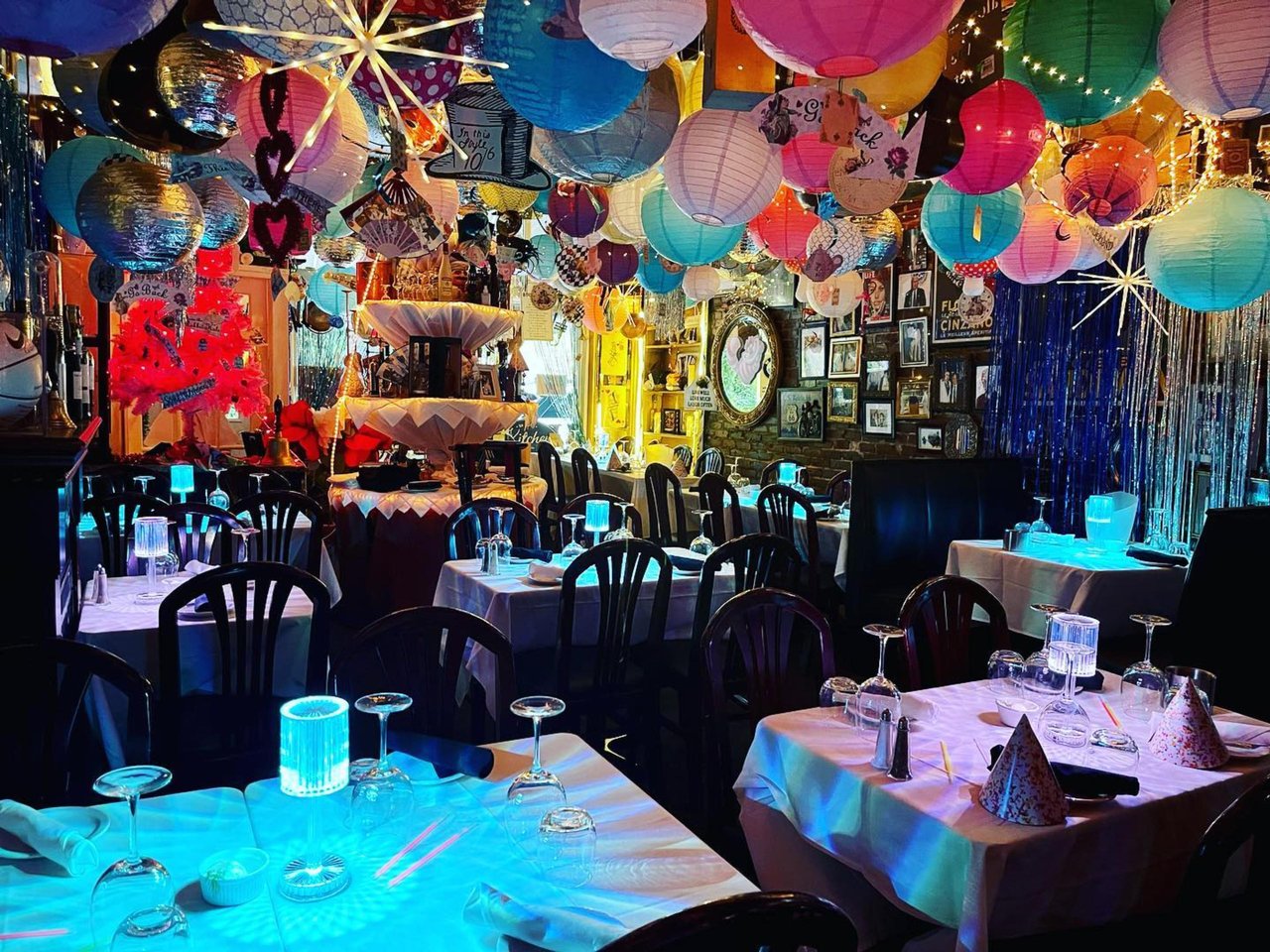
Step inside the magical world of Amore e Amore, where dinner becomes an experience you will want to remember.

Lifestyle
A new front door to the Garden could transform how Atlanta experiences one of Midtown's most beloved destinations, and nearby real estate is worth watching.
Lifestyle
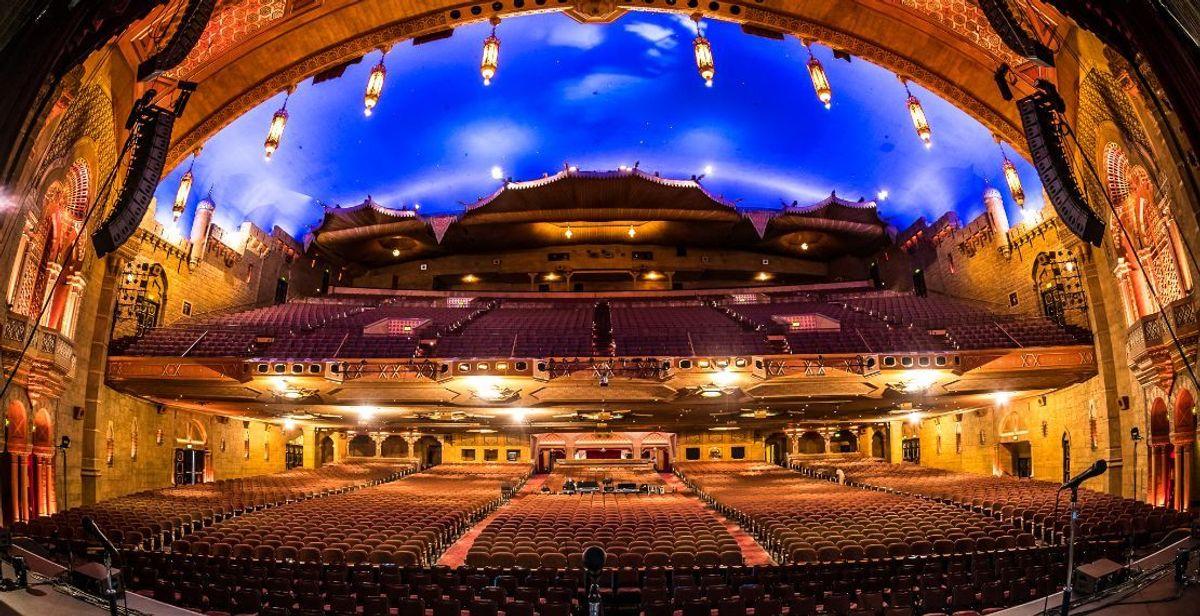
Tickets, the $10 lottery, parking, dinner, and local tips for making the most of Hamilton in Atlanta

Lifestyle
Costumes, cryptids, live music, art, spooky stories, and one unforgettable parade. Here’s your local guide to experiencing Halloween in Little Five Points.

Lifestyle
Explore the neighborhoods, housing options, and real estate opportunities surrounding one of Atlanta’s most nationally recognized universities.

Lifestyle
Four cocktails. A live tarot show. A little mystery. And absolutely no telling what might happen next.
Address
3107 Peachtree Rd NE A-1
Atlanta GA 30305